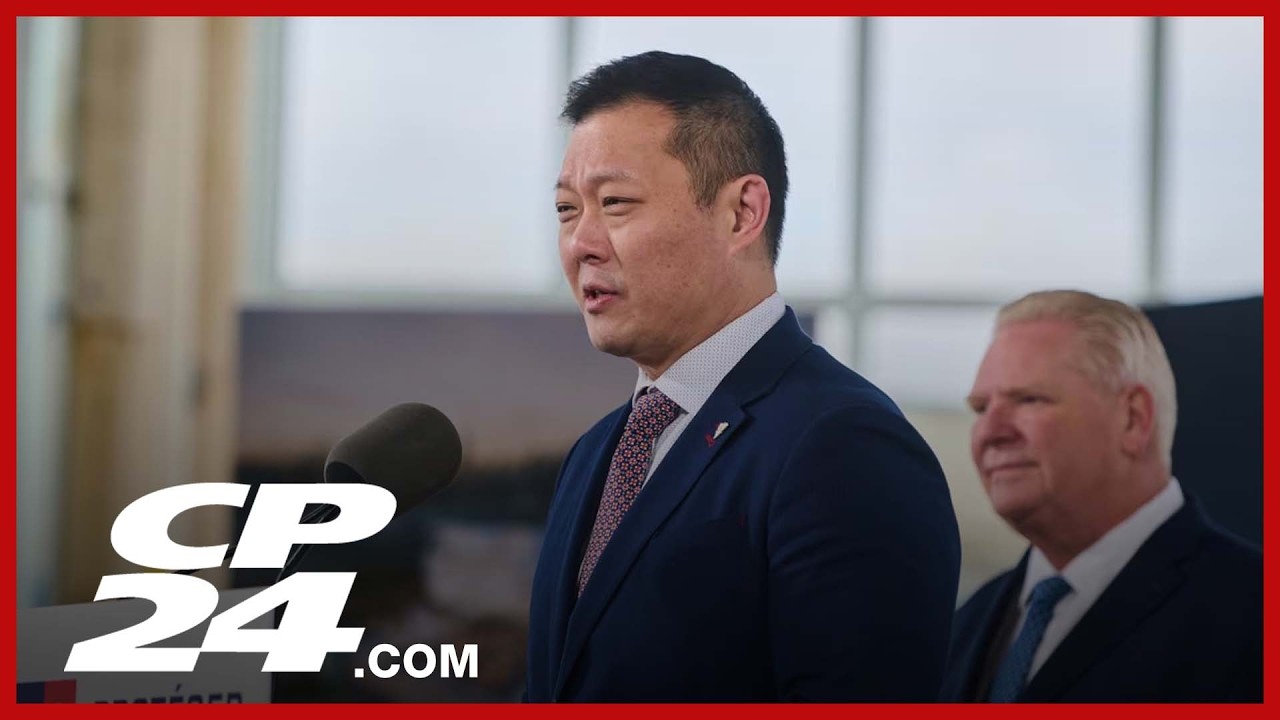
Minister Stan Cho’s Hotel Expense Controversy: A Closer Look
In a move that has ignited significant public discourse, Ontario’s Tourism and Gaming Minister Stan Cho has announced he will reimburse taxpayers for $16,000 in hotel expenses incurred during his tenure. Representing Willowdale, Cho has raised eyebrows with repeated claims for accommodation in the city, despite living only a short distance away. The rationale provided cited "special circumstances" requiring him to stay in hotels, yet the details of these circumstances remain unclear, prompting skepticism from opposition parties.
The matter took center stage in discussions at Queen’s Park, where opposition members voiced their concerns over the need for stricter oversight of MPP expenses. The current system, they argue, is riddled with loopholes that can be exploited by those in power. One member criticized a culture of entitlement where officials feel comfortable adopting policies that, when scrutinized, may be seen as overly indulgent or inappropriate. This situation raises pressing questions: Who truly approves these expenses, and what checks and balances are in place to prevent misuse of taxpayer funds?
Expenses submitted by Members of Provincial Parliament (MPPs) typically undergo a review process within party caucuses before reaching the Legislative Assembly. The intention is to catch any questionable items before submission to the Board of Internal Economy. However, some critics assert that the current framework lends itself to malfeasance. They point out that the special provisions that allow for accommodations under extraordinary circumstances were not designed for a scenario where a minister claims thousands while living within a short commuting distance.
Critics have not been shy in denouncing Cho’s actions, arguing that the reimbursement, while a step in the right direction, does not absolve him of the moral implications of taking advantage of the system. One opposition figure pointed out that $16,000 is substantial for the average Ontarian. In a province where many families struggle to cover basic living costs—be it sending children to camp, managing rent, or purchasing groceries—the luxury of expensive hotel stays feels profoundly disconnected from their realities.
The criticism extends beyond Cho’s individual actions to encompass broader governance issues. Some assert that the Premier’s administration fosters a culture of complacency regarding fiscal accountability. Allegations of prioritizing personal gain over public service resonate in this context, especially when looking at past expenditures, including the premier’s continued interest in retaining a private jet.
The pressing inquiry remains: what constitutes allowable expenses? Opposition members challenge the government to provide clearer guidelines that would preempt similar controversies in the future. Many citizens are left wondering if public servants are hearing their concerns or if they are entrenched in a bubble that distances them from everyday financial struggles.
Meanwhile, the Premier is expected to call for by-elections in two key ridings: York South-Central and Scarborough Southwest. Opposition factions seize on this moment, asserting the government’s focus is misplaced amid growing scandals and controversies. Questions about candidates in those districts linger, but final selections have yet to be unveiled, leading to speculation about the political climate in the province.
As this situation unfolds, it serves as a reminder of the responsibilities that come with public office. Holding elected officials accountable requires transparency and a commitment to ethical governance. The juxtaposition of Stan Cho’s hotel expenses amid a backdrop of urgent societal issues illustrates the challenges of restoring public trust in governmental systems.
In sum, while Cho’s willingness to reimburse taxpayers is commendable, it is crucial to foster a culture of integrity and accountability that resonates with the constituents they represent. The expectation now lies with the government to enforce stricter regulations and strengthen the frameworks for overseeing expenses—ensuring that public funds serve the community, not individual pursuits. The fallout from this incident could herald necessary reforms, benefiting both the government and the citizens they aim to serve.